Achieving a perfect seal with caulk is essential for maintaining the integrity and aesthetic of various surfaces in your home or workspace. Whether you’re sealing gaps in windows, doors, or bathroom fixtures, mastering the caulk finishing tool can make a significant difference. In this article, we will explore effective techniques, tips, and tricks to help you achieve a flawless finish every time you caulk. From understanding the tools to learning the best practices, we’ll cover everything you need to know.
Understanding the Calk Finishing Tool
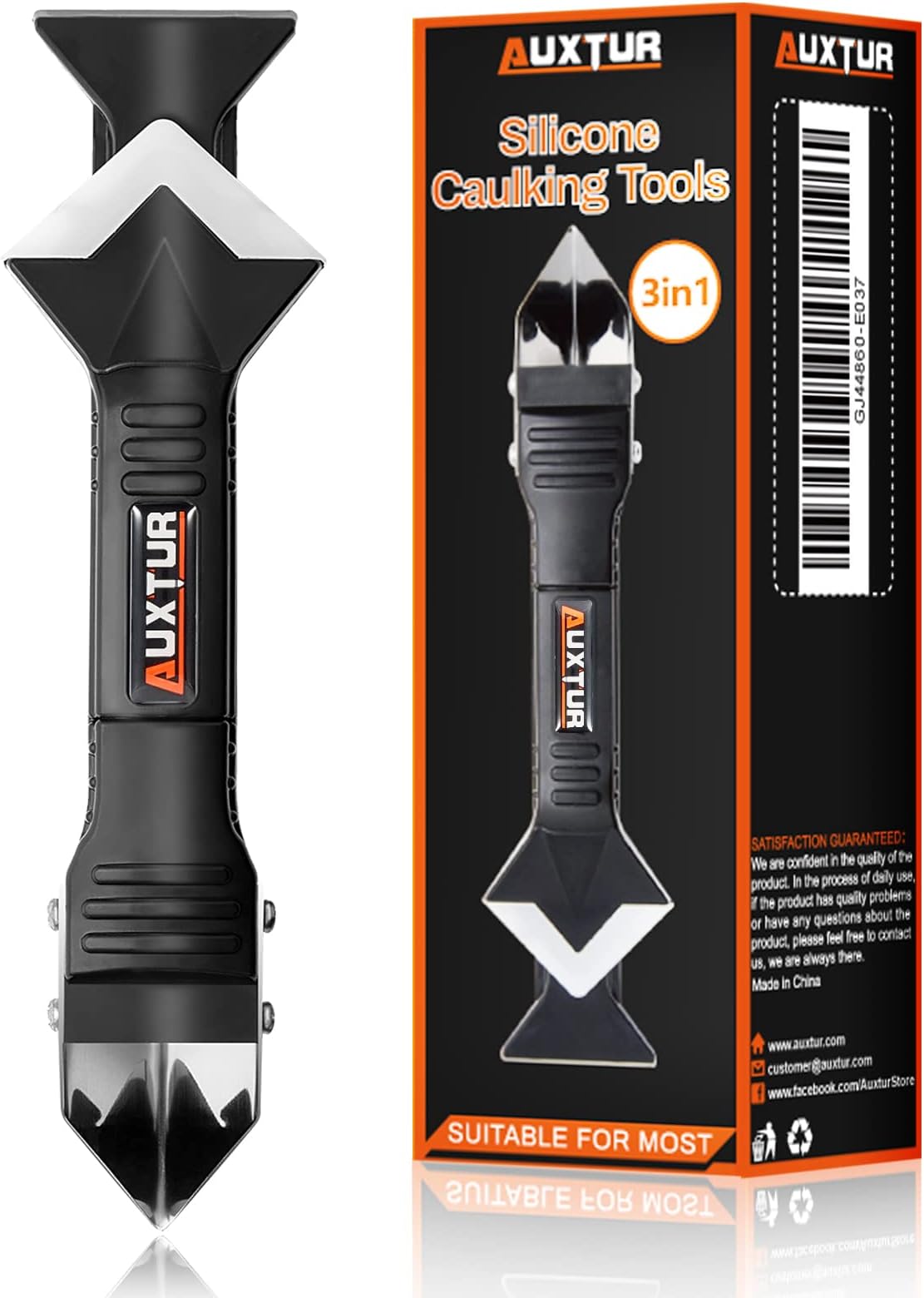
The caulk finishing tool, sometimes referred to as a caulk smoother or caulk finisher, is a handheld device designed to shape and smooth caulk after it has been applied. It helps to create clean lines, remove excess material, and ensure that the caulk adheres properly to the surface. Typically made of plastic or rubber, these tools come in various shapes and sizes to suit different sealing jobs.
Why Use a Calk Finishing Tool?
Using a caulk finishing tool can significantly enhance the appearance and durability of your caulk job. Here are some reasons why it’s beneficial:
- Professional Finish: A smooth, professional-looking finish is easier to achieve.
- Improved Adhesion: Proper tooling helps the caulk bond with the surface more effectively.
- Less Mess: A finishing tool minimizes the mess by controlling the amount of caulk spread.
- Time-Saving: It speeds up the finishing process, allowing for quicker project completion.
Choosing the Right Calk Finishing Tool
There are various types of caulk finishing tools available, each suited for specific tasks. Here are some options to consider:
- Plastic Finishing Tools: These are lightweight and easy to use, making them ideal for most DIY projects.
- Rubber Finishing Tools: They provide a more flexible edge and are great for smoothing out caulk in tight spaces.
- Multi-functional Tools: Some tools come with different edges and angles, allowing you to tackle various sealing jobs with one tool.
- Customizable Tools: Tools that allow you to change the tips can be beneficial for achieving the desired finish.
Preparation: The Key to Success

Before diving into your caulking project, proper preparation is crucial. Here’s how to set yourself up for success:
Gather Your Materials

Having the right materials on hand can make the process smoother. You will need:
- Quality caulk (silicone, latex, or acrylic)
- Calk finishing tool
- Utility knife or caulk cutter
- Clean cloth or sponge
- Masking tape (optional)
- Caulking gun
Prepare the Surface

Ensure the surface you’re sealing is clean, dry, and free from old caulk or debris. Follow these steps:
- Remove any old caulk using a utility knife or scraper.
- Clean the area with a damp cloth to remove dust and grime.
- Allow the surface to dry completely before applying new caulk.
Plan Your Application

Before you apply the caulk, it can be helpful to plan your approach:
- Consider using masking tape on both sides of the joint for a clean edge.
- Decide on the angle for caulk application; typically, a 45-degree angle works best.
Applying the Calk
Now that you are prepared, it’s time to apply the caulk. Here’s how to do it effectively:
Using the Caulk Gun
Load your caulk into the caulking gun and follow these steps:
- Cut the tip of the caulk tube at a 45-degree angle, based on the width of the gap you need to fill.
- Puncture the inner seal of the caulk tube for proper flow.
- Apply consistent pressure on the trigger to release caulk, moving the gun smoothly along the joint.
Finishing with the Tool
After applying the caulk, use the caulk finishing tool to achieve a smooth finish:
- Dip the finishing tool in water or a mild soapy solution to prevent sticking.
- Run the tool along the caulk bead, applying gentle pressure.
- Keep the tool at a consistent angle for an even seal.
- Wipe the tool clean with a cloth after each pass to avoid smudging.
Common Mistakes to Avoid

Even experienced DIYers can make mistakes when caulking. Here are some common pitfalls to watch out for:
- Using Old Caulk: Always use fresh caulk for best results.
- Applying Too Much Pressure: Excessive pressure can cause caulk to spread too thin, compromising the seal.
- Rushing the Process: Take your time to ensure a clean and thorough application.
- Neglecting to Smooth: Failing to use a finishing tool can result in an uneven and unattractive seal.
Case Studies: Real-World Applications
To illustrate the importance of mastering the caulk finishing tool, let’s look at a couple of real-world examples:
Case Study 1: Home Renovation
During a recent home renovation, a couple decided to seal the gaps around their newly installed windows. By utilizing a caulk finishing tool, they achieved a seamless look that not only enhanced the aesthetics of their home but also improved energy efficiency. According to their contractor, the improved seal resulted in a 15% reduction in heating costs in the winter months.
Case Study 2: Bathroom Remodeling
A bathroom remodeler faced challenges with water damage due to poorly applied caulk around the tub. After redoing the caulk with a finishing tool, they noted a significant decrease in moisture buildup and mold growth. This simple change extended the lifespan of the bathroom fixtures and improved overall hygiene.
Mastering the caulk finishing tool is an essential skill for anyone looking to achieve a perfect seal. By understanding the tool, preparing properly, and applying the right techniques, you can create professional-grade results that enhance both the functionality and appearance of your projects. Remember to avoid common mistakes, take your time, and consider the practical applications of your work. Whether you’re sealing windows, doors, or bathroom fixtures, a well-finished caulk bead can make all the difference. With these tips in hand, you’re well-equipped to tackle your next sealing project with confidence.