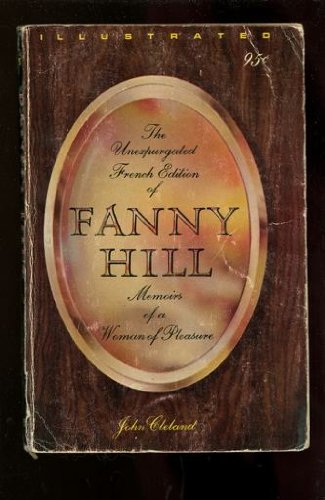
The exploration of seduction has long fascinated humanity, intertwining with themes of desire, power, and vulnerability. One of the most provocative works in literary history is “Fanny Hill: Memoirs of a Woman of Pleasure,” written by John Cleland in 1748. This novel not only broke ground with its explicit content but also accompanied illustrations that added a visual layer to the themes of seduction. In this article, we will analyze the unexpurgated illustrations found in “Fanny Hill,” examining how they contribute to the art of seduction as presented in the text and their cultural implications.
The Historical Context of Seduction in Literature
To fully appreciate the illustrations in “Fanny Hill,” it is essential to understand the historical context surrounding seduction in literature during the 18th century. The Enlightenment era brought about a shift in societal norms and attitudes towards sex, sexuality, and the female experience. The publication of “Fanny Hill” coincided with a burgeoning interest in erotic literature, challenging the conservative views of the time.
- The Role of Women: In the 18th century, women were often portrayed as passive subjects of desire. However, “Fanny Hill” presents a complex female protagonist who actively engages in her sexual adventures, thus subverting traditional gender roles.
- Literary Freedom: The novel was one of the first of its kind to openly discuss sexual themes, paving the way for future works in erotic literature.
- Legal Challenges: Upon its release, “Fanny Hill” faced legal scrutiny and censorship, which only heightened its allure and established it as a controversial yet important work.
The Illustrations: A Visual Representation of Seduction
The illustrations accompanying “Fanny Hill” play a crucial role in conveying the themes of seduction and desire. These images are not merely decorative; they serve to enhance the narrative, providing a visual context that deepens the reader’s understanding of Fanny’s experiences. The art of seduction depicted in these illustrations can be analyzed through several key themes:
The Use of Symbolism

Many illustrations in “Fanny Hill” employ symbolism to convey complex emotions and situations. Common symbols include:
- Nature: Floral motifs often symbolize fertility and sensuality, suggesting a connection between nature and sexual desire.
- Clothing: The depiction of partially clothed figures evokes themes of vulnerability and exposure, highlighting the tension between innocence and experience.
- Gestures: Subtle hand movements or facial expressions in the illustrations communicate longing, seduction, and the nuances of romantic interplay.
Capturing Emotion and Intimacy
The illustrations often capture intimate moments between characters, emphasizing the emotional aspect of seduction. For example, scenes depicting tender embraces or longing gazes reveal the psychological dimensions of desire, suggesting that seduction is not merely a physical act but an emotional connection.
Case studies of specific illustrations reveal how they encapsulate these themes. One notable example is a scene where Fanny engages in flirtatious banter with a suitor. The illustration captures the playful tension, with Fanny’s coy smile and the suitor’s eager expression, illustrating the dance of seduction in a way that words alone cannot convey.
The Techniques of Seduction in Fanny Hill

Cleland’s portrayal of seduction in “Fanny Hill” goes beyond mere physicality. The novel presents various techniques of seduction that characters employ, many of which are reflected in the accompanying illustrations:
Flattery and Compliments
Throughout the narrative, characters often use flattery to entice one another. The illustrations depict scenarios where compliments are exchanged, showcasing the power of words in the art of seduction. For instance, an illustration may show Fanny blushing as she receives praise, highlighting the impact of admiration on her emotional state.
Body Language

The significance of body language in seduction is also critical. The illustrations often showcase open postures, leaning in, and eye contact, which are non-verbal cues that enhance the seductive atmosphere. Such visual elements serve as a reminder that seduction is often communicated through actions rather than words.
Creating an Alluring Ambiance
The settings depicted in the illustrations contribute to the overall mood of seduction. Luxurious interiors, candlelight, and soft fabrics create an intimate environment that invites romantic encounters. This ambiance plays a vital role in facilitating seduction, as it engages the senses and sets the stage for desire to flourish.
The Cultural Impact of Fanny Hill and Its Illustrations
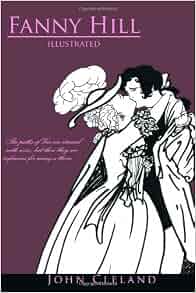
“Fanny Hill” has had a lasting cultural impact, influencing subsequent generations of writers and artists. Its illustrations, in particular, have sparked discussions about sexuality, art, and morality:
- Influence on Erotic Art: The explicit illustrations in “Fanny Hill” laid the groundwork for future erotic literature and art, inspiring countless creators to explore themes of seduction and sexuality in their work.
- Challenging Social Norms: The novel and its illustrations challenged prevailing notions of female sexuality, encouraging a dialogue about women’s agency in sexual matters.
- Legal and Moral Debates: The controversies surrounding “Fanny Hill” have led to ongoing discussions regarding censorship, artistic expression, and the representation of sexuality in literature and art.
Modern Relevance of Seduction Techniques
The techniques of seduction explored in “Fanny Hill” remain relevant today, as they resonate with contemporary notions of romance and attraction. Modern psychology and relationship studies reveal similar patterns in the dynamics of seduction:
- Confidence: Just as Fanny exudes confidence in her encounters, studies show that self-assuredness is a key factor in attractiveness.
- Emotional Connection: The importance of establishing an emotional bond is supported by research indicating that intimacy fosters deeper connections.
- Non-Verbal Communication: Body language continues to play a significant role in modern seduction, with studies highlighting its impact on perceived attraction.
The Enduring Art of Seduction
The unexpurgated illustrations in “Fanny Hill” serve as a crucial lens through which we can understand the art of seduction as presented in the text. By combining visual art with literary expression, Cleland creates a multidimensional exploration of desire, intimacy, and the complexities of human relationships.
As we analyze these illustrations, we see how they encapsulate the historical, emotional, and cultural dimensions of seduction. From the symbolism and body language to the broader implications for female agency and sexual expression, “Fanny Hill” continues to resonate with readers and artists alike.
Ultimately, the techniques of seduction depicted in the novel remain timeless, reminding us that the dance of attraction is as relevant today as it was in the 18th century. Whether through the written word or visual art, the art of seduction continues to captivate and inspire, encouraging us to explore the complexities of desire and connection in our lives.