As Halloween approaches, the allure of pumpkin masks becomes ever more prominent. What was once a simple representation of the harvest season has transformed into a multifaceted symbol of Halloween that varies in design, complexity, and cultural significance. This article explores the evolution of pumpkin mask designs from traditional carved pumpkins to the increasingly elaborate and creepy masks available today.
The Origins of Pumpkin Masks
The tradition of pumpkin carving, or “jack-o’-lanterns,” can be traced back to ancient Celtic festivals, particularly Samhain, where turnips were originally used. The practice of carving faces into vegetables was meant to ward off evil spirits. When Irish immigrants arrived in America, they discovered that pumpkins were larger, easier to carve, and more abundant. This transition gave rise to the pumpkin mask designs we see today.
Classic Designs: Simplicity and Tradition

Classic pumpkin masks embody simplicity and tradition. These designs typically feature:
- Basic facial features: A simple smile, round eyes, and a nose.
- Bright, cheerful colors: Often painted in orange and yellow to reflect the natural colors of pumpkins.
- Natural materials: Many classic masks were made from paper mache or thin plastic, emulating the traditional carved jack-o’-lantern.
In this era, the focus was on family-friendly designs suitable for children, emphasizing fun rather than fright. Classic pumpkin masks are often associated with community gatherings and children’s Halloween activities.
The Shift Towards Creepy: The Influence of Pop Culture
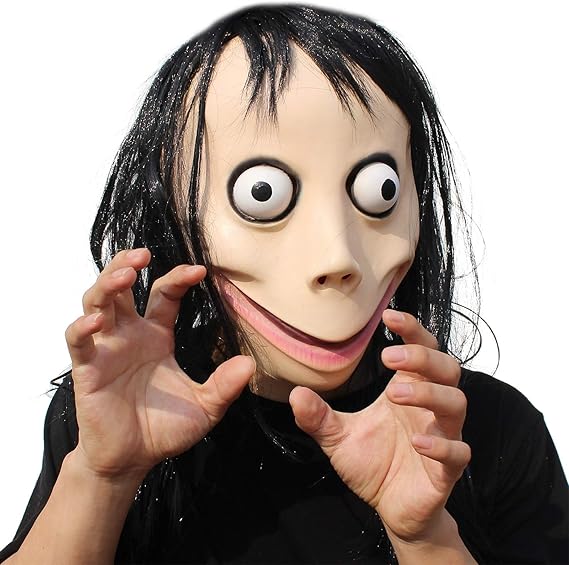
As Halloween gained popularity in the United States, the designs of pumpkin masks began to evolve. The 1980s and 1990s marked a significant shift towards more intricate and creepy designs, largely influenced by pop culture.
Gory and Gruesome Masks

The emergence of horror films during this period introduced a new aesthetic to Halloween. Iconic movies like “Halloween” and “Psycho” showcased a darker side of the holiday, influencing mask designs:
- Realistic features: Masks began to include exaggerated expressions, scars, and grotesque details.
- Dark color palettes: Black, green, and deep red became popular, enhancing the eerie vibe.
- Materials: Foam latex and silicone were utilized for more realistic textures and appearances.
The influence of horror films led to a surge in demand for creepy pumpkin masks, turning them into must-have items for Halloween enthusiasts. For instance, the “Pumpkinhead” mask became a popular choice among fans of horror cinema.
Crossover Designs: Blending Cute and Creepy

In the 2000s, a new trend emerged: crossover designs that blended cute and creepy elements. This style appealed to a broader audience, including adults who wanted to embrace the Halloween spirit without fully committing to a frightening look.
- Hybrid designs: Masks featured cute pumpkin faces with sinister undertones, like crooked grins or glowing eyes.
- Interactive elements: Some masks incorporated LED lights or sound effects, increasing their appeal.
- Customization: Many retailers began offering customizable masks, allowing consumers to add personal touches.
These masks catered to the rising trend of Halloween parties and themed events, providing consumers with the opportunity to express their personalities while still celebrating the spooky season.
The Role of Technology in Mask Design
As technology advanced, so did the complexity and creativity of pumpkin mask designs. Innovations in materials and manufacturing processes have allowed for more detailed and durable masks.
3D Printing and Advanced Materials
3D printing has revolutionized the mask-making industry. Designers can now create intricate patterns and details that were once impossible. Advanced materials, such as thermoplastic elastomers, allow for flexibility and comfort. Key benefits include:
- Enhanced detail: Masks can be created with intricate designs that mimic real-life textures.
- Lightweight and comfortable: New materials reduce discomfort for long-term wear.
- Mass customization: Consumers can order personalized masks designed with specific features.
This shift towards technology-driven design has enabled artists and designers to push the boundaries of creativity, resulting in unique pieces that are both wearable art and a celebration of Halloween.
Social Media and Viral Trends
The rise of social media platforms has also played a significant role in the evolution of pumpkin mask designs. Platforms like Instagram and TikTok have popularized various mask trends, leading to viral challenges and creative interpretations. Popular aspects include:
- DIY mask-making: Tutorials and challenges encourage users to create their own pumpkin masks, often leading to innovative designs.
- Influencer collaborations: Brands partner with influencers to showcase unique masks, impacting popular trends.
- Seasonal themes: Social media trends often align with holidays, creating a cycle of new designs each year.
This social media influence has created a dynamic market for pumpkin masks, with trends shifting rapidly and influencing consumer choices.
The Cultural Impact of Pumpkin Masks

Pumpkin masks have transcended their original purpose, becoming cultural symbols that represent various aspects of society. They often reflect broader themes, including:
- Consumerism: The rise of pumpkin masks reflects the commercialization of Halloween as a significant retail event.
- Artistic expression: The evolution of designs showcases creativity and innovation within the artistic community.
- Cultural celebrations: Pumpkin masks are part of a larger narrative that celebrates various cultural practices surrounding Halloween and autumn harvest festivals.
As these masks continue to evolve, they will undoubtedly reflect the changing values and aesthetics of society.
The Future of Pumpkin Masks
The evolution of pumpkin mask designs from classic to creepy represents a fascinating journey through history, culture, and technology. As our tastes and societal norms shift, so too will the designs of these masks. From traditional jack-o’-lanterns to the intricate and interactive creations of today, pumpkin masks will continue to be a staple of Halloween celebrations.
In summary, the key takeaways include:
- The origins of pumpkin masks are rooted in ancient traditions, emphasizing community and simplicity.
- Pop culture has significantly influenced the shift towards more complex and creepy designs.
- Technological advancements have allowed for greater creativity and customization in mask production.
- Social media plays a vital role in shaping trends and consumer preferences in mask design.
- The cultural impact of pumpkin masks reflects broader societal themes, including consumerism and artistic expression.
As we look to the future, the evolution of pumpkin masks will undoubtedly continue to surprise and delight, firmly establishing their place in Halloween lore.