The kitchen is often referred to as the heart of the home, a space where functionality meets style. Among the myriad of design choices available, the gray subway tile backsplash has emerged as a timeless and versatile option that can elevate any kitchen. This article delves into the reasons behind the enduring popularity of gray subway tiles, explores their aesthetic and practical benefits, and offers tips on how to incorporate them into your kitchen design.
The Allure of Gray Subway Tiles
Gray subway tiles have gained traction due to their neutral palette, which harmonizes with a wide range of colors and styles. The classic rectangular shape of subway tiles, combined with the modern vibe of gray, creates an appealing aesthetic that can suit both contemporary and traditional kitchens.
Versatility in Design
One of the standout features of gray subway tiles is their versatility. They can complement various design themes, including:
- Modern: Pair gray subway tiles with sleek cabinetry and stainless steel appliances for a clean, sophisticated look.
- Rustic: Combine them with reclaimed wood accents and vintage fixtures to create a warm and inviting atmosphere.
- Industrial: Use gray tiles with exposed brick and metal finishes for a trendy, urban feel.
- Traditional: Opt for a classic white and gray palette with ornate moldings and classic cabinetry for a timeless appeal.
Timelessness of Gray
Gray is a color that transcends trends. Unlike more vibrant hues, which can become dated, gray maintains a sense of elegance and neutrality. According to a survey by the National Kitchen & Bath Association (NKBA), gray has been the most popular kitchen color for several years, indicating its lasting appeal.
Functional Benefits of Gray Subway Tiles
Beyond aesthetics, gray subway tiles offer numerous practical benefits that make them an ideal choice for kitchen backsplashes.
Durability and Ease of Maintenance
Subway tiles are typically made from ceramic, porcelain, or glass, all of which are durable materials resistant to moisture and stains. This quality is particularly important in kitchens, where spills and splashes are common. Additionally, gray tiles are less prone to showing stains than lighter colors, making them a practical choice for busy households.
Easy Cleaning
Cleaning gray subway tiles is a breeze. A simple mixture of warm water and mild detergent is usually sufficient for maintaining their luster. For tougher stains, a baking soda paste can work wonders without damaging the tile. The smooth surface of subway tiles also prevents the buildup of grime and grease, ensuring that your kitchen remains hygienic with minimal effort.
Designing with Gray Subway Tiles
Incorporating gray subway tiles into your kitchen design can be a rewarding endeavor. Here are some tips and creative ideas to help you effectively use gray subway tiles in your kitchen:
Choosing the Right Shade of Gray
Gray subway tiles come in a variety of shades, from light dove gray to deep charcoal. When selecting the right shade, consider the overall color scheme of your kitchen:
- Light Gray: Ideal for smaller kitchens, light gray tiles can make the space feel larger and more open.
- Medium Gray: This versatile option pairs well with both warm and cool tones, making it easier to coordinate with cabinets and countertops.
- Dark Gray: Darker tiles can add drama and contrast, especially when paired with lighter cabinetry or countertops.
Exploring Layouts and Patterns

Subway tiles are not limited to a standard grid layout. Experimenting with different arrangements can add visual interest to your backsplash. Consider these popular patterns:
- Herringbone: A diagonal layout that creates a striking visual effect.
- Stacked: Tiles stacked vertically or horizontally for a sleek, modern look.
- Offset: A classic brick-like pattern that adds depth and dimension.
Complementing Elements

To create a cohesive look, consider how gray subway tiles will interact with other elements in your kitchen:
- Cabinetry: Pair gray subway tiles with white, navy, or even vibrant-colored cabinets for a stunning contrast.
- Countertops: Gray tiles can complement a variety of countertop materials, from white marble to dark granite.
- Lighting: Incorporate pendant lights or under-cabinet lighting to highlight the texture and color of the tiles.
Case Studies: Transformative Effects of Gray Subway Tiles

To illustrate the transformative power of gray subway tiles, let’s explore a few case studies of kitchens that have successfully integrated this timeless design element.
Case Study 1: Modern Minimalism
A contemporary kitchen in a downtown loft featured stark white cabinetry and stainless steel appliances. The addition of a light gray subway tile backsplash added warmth and texture, softening the overall look. The tiles were laid in a herringbone pattern, creating a focal point that drew the eye without overwhelming the minimalist design.
Case Study 2: Rustic Charm
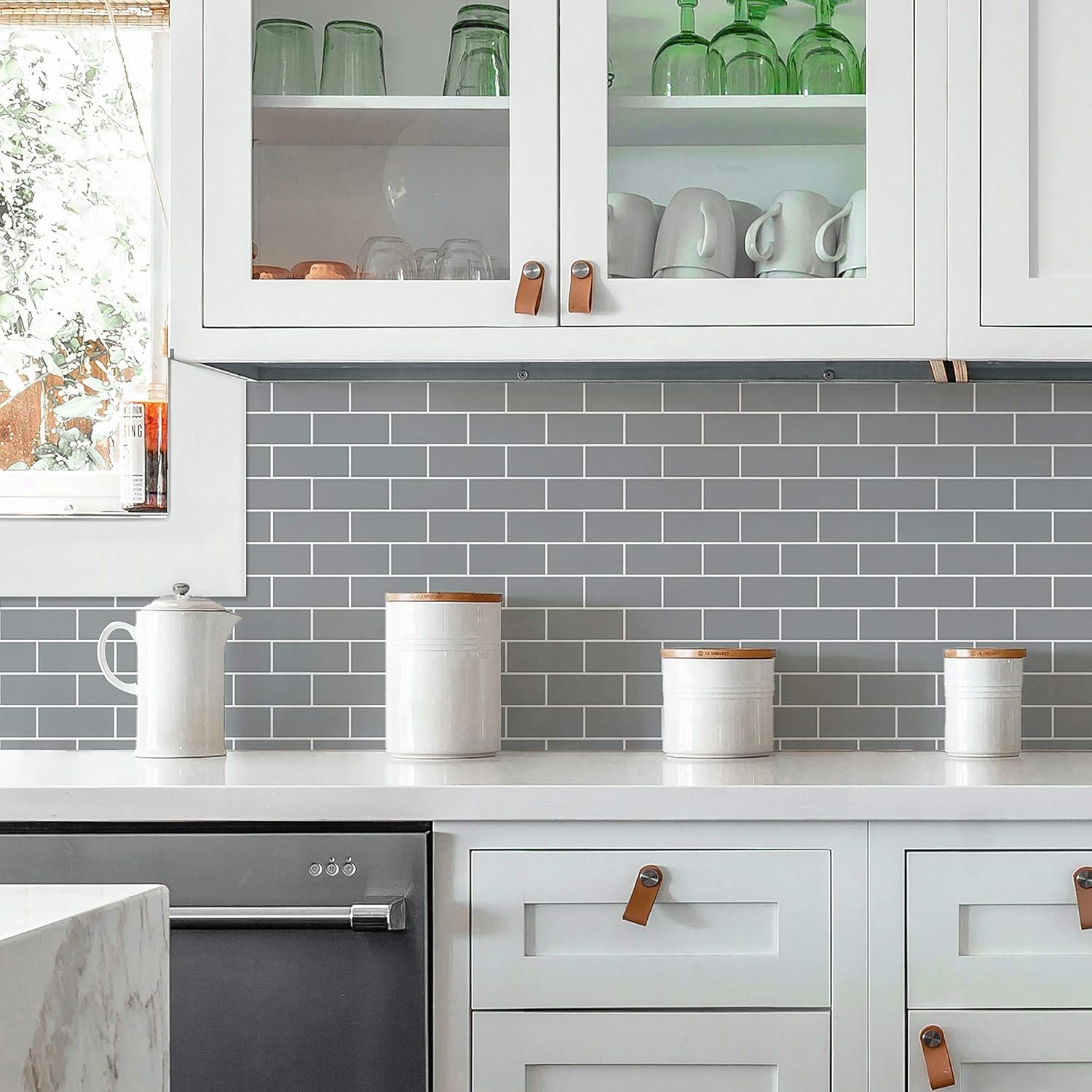
A farmhouse-style kitchen utilized medium gray subway tiles to complement rustic wooden cabinetry and a farmhouse sink. The warm gray tones harmonized beautifully with the natural wood, creating a cozy and inviting atmosphere. The tiles were paired with vintage brass fixtures that added a touch of elegance to the rustic charm.
The Enduring Appeal of Gray Subway Tiles

In conclusion, gray subway tile backsplashes are a versatile and timeless choice for any kitchen. Their ability to blend seamlessly with various design styles, coupled with their practical benefits such as durability and ease of maintenance, make them an ideal option for homeowners looking to elevate their kitchen space. Whether you choose light, medium, or dark gray tiles, the possibilities for design are endless. By thoughtfully selecting shades, patterns, and complementary elements, you can create a kitchen that is not only functional but also visually stunning. With gray subway tiles, you invest in a design choice that will stand the test of time, ensuring your kitchen remains stylish and inviting for years to come.