As technology rapidly evolves, the gaming landscape transforms at a breakneck pace. The EVGA GeForce 750 Ti, released in early 2014, was once a top contender for budget-conscious gamers. However, with the advent of more advanced graphics cards, the question arises: Is it still worth investing in the 750 Ti today? In this article, we will delve into the specifications, performance benchmarks, and the overall relevance of the 750 Ti compared to modern GPUs, helping you make an informed decision.
Understanding the EVGA GeForce 750 Ti

The EVGA GeForce 750 Ti is built on NVIDIA’s Maxwell architecture, which was a significant leap in efficiency and performance compared to its predecessors. Here are some key specifications:
- CUDA Cores: 640
- Base Clock: 1020 MHz
- Boost Clock: 1085 MHz
- Memory: 2 GB GDDR5
- Memory Interface: 128-bit
- Power Consumption: 60 Watts
These specifications made the 750 Ti a popular choice for gamers looking for a budget-friendly option, providing decent performance for 1080p gaming in many titles of its time.
Performance Benchmarks: How Does It Hold Up?
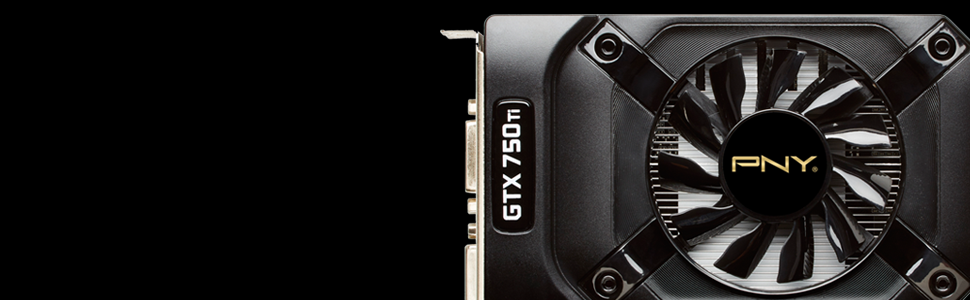
To assess whether the EVGA GeForce 750 Ti is still relevant, we need to examine its performance against modern gaming demands. The 750 Ti excels at older and less demanding titles but struggles with newer, graphically intensive games. Here are some benchmark comparisons:
- 1080p Performance: In less demanding games like “Counter-Strike: Global Offensive” or “League of Legends,” the 750 Ti can still deliver playable frame rates, often exceeding 60 FPS on medium settings.
- Modern Titles: When tested with current games such as “Cyberpunk 2077” or “Call of Duty: Warzone,” the 750 Ti’s performance drops significantly, often resulting in frame rates below 30 FPS, even on the lowest settings.
- VRAM Limitations: The 2 GB of VRAM is inadequate for modern titles, which often require 4 GB or more to maintain optimal performance and visual fidelity.
These benchmarks indicate that while the 750 Ti can still handle some older games, it is increasingly outmatched by modern GPUs, which offer substantial improvements in performance and capabilities.
Modern Alternatives: What Should You Consider?

If you’re considering a new graphics card, there are several modern alternatives that provide significantly better performance at relatively reasonable prices. Here are some noteworthy options:
- NVIDIA GeForce GTX 1650: This card offers approximately double the performance of the 750 Ti, with 4 GB of VRAM, making it a much better choice for 1080p gaming.
- AMD Radeon RX 5500 XT: With superior performance and features like better power efficiency, the RX 5500 XT is a solid choice for both gaming and productivity.
- NVIDIA GeForce GTX 1660 Super: This card provides excellent performance for its price, delivering high frame rates in modern games at 1080p resolution.
These alternatives not only offer better performance but also come equipped with more VRAM, which is essential for gaming in today’s environment.
Cost-Effectiveness and Availability

One of the main reasons gamers consider the 750 Ti is its low price point. However, while you might find it extremely cheap on platforms like eBay or local marketplaces, it’s crucial to consider the following:
- Price vs. Performance: Investing in a slightly more expensive modern GPU will yield a far better performance-to-cost ratio.
- Availability: The 750 Ti is becoming increasingly hard to find new, as manufacturers have ceased production in favor of newer models.
- Future-Proofing: A modern GPU will ensure longevity; with the 750 Ti, you may find yourself needing an upgrade sooner than you’d like.
Case Studies: Real-World Usage
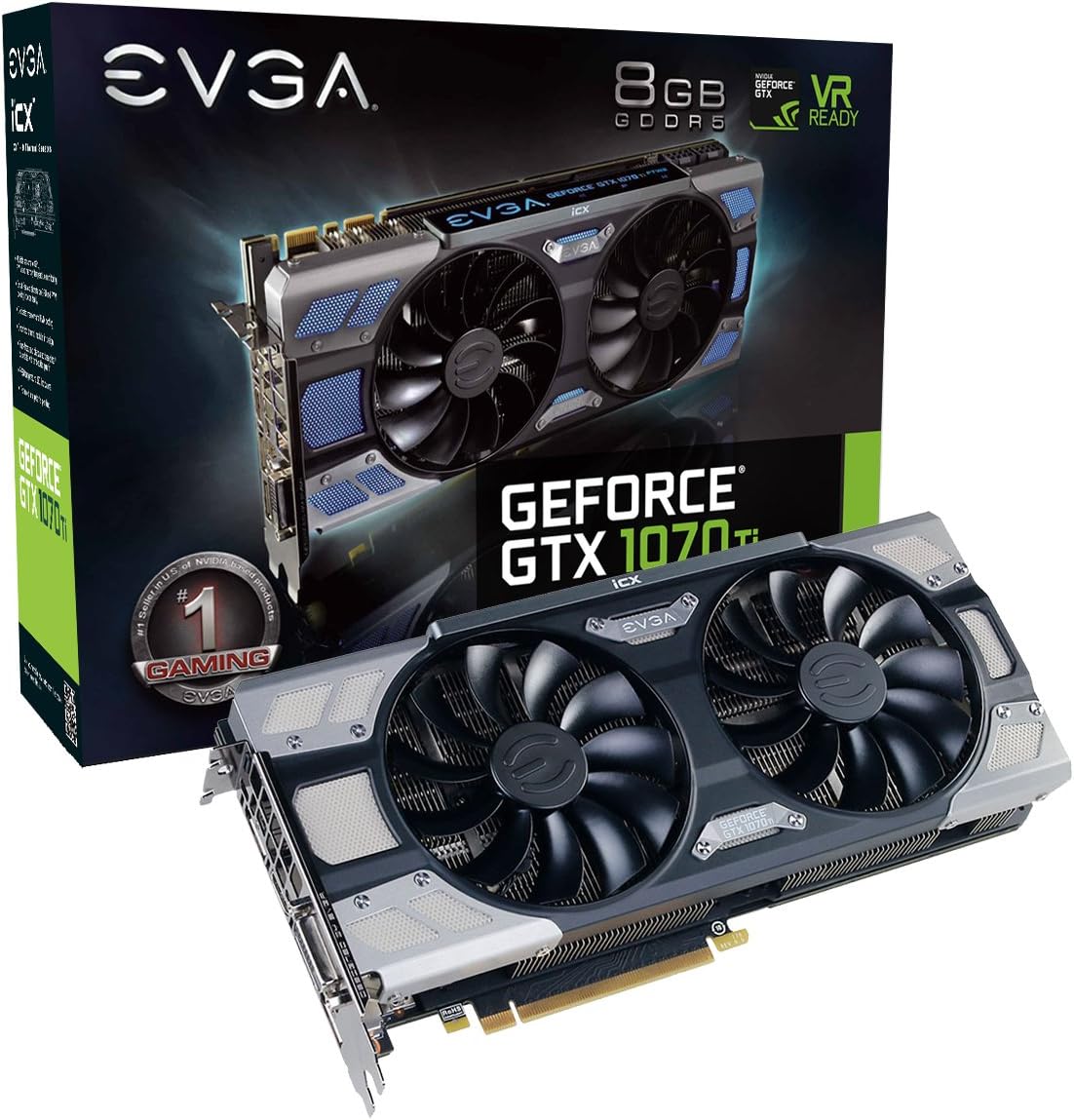
To provide a more nuanced perspective, let’s look at some real-world usage scenarios involving the EVGA GeForce 750 Ti compared to modern GPUs:
- Casual Gamers: For individuals primarily playing older titles or casual games, the 750 Ti may suffice. However, many users find that even casual gaming titles have evolved, requiring more power.
- Content Creators: Users involved in video editing or streaming will find the 750 Ti’s limited capabilities a bottleneck. Modern GPUs offer hardware acceleration for video rendering and encoding, vastly improving productivity.
- Competitive Gaming: Gamers focused on competitive environments need higher frame rates and lower input lag, which modern GPUs provide. The 750 Ti’s performance may not meet the competitive standards needed in fast-paced games.
Is the EVGA GeForce 750 Ti Worth It Today?

After examining the EVGA GeForce 750 Ti in terms of specifications, performance benchmarks, modern alternatives, and real-world use cases, it becomes clear that while the 750 Ti was a great card in its time, it has significantly fallen behind in today’s gaming landscape. For budget-conscious gamers, modern alternatives like the GTX 1650 or RX 5500 XT provide better performance, more VRAM, and a longer lifespan.
Ultimately, while the 750 Ti may still have a place in niche scenarios or for specific types of casual gaming, for most users looking to enjoy modern gaming experiences, investing in a more current GPU is highly advisable. By doing so, you’ll not only improve your gaming experience but also ensure that your system remains viable for future gaming demands.