Propagation vases have surged in popularity among gardening enthusiasts and home decor aficionados alike. These elegant vessels not only serve as beautiful centerpieces but also provide an effective way to propagate new plants from cuttings. However, choosing the right plants for your glass propagation vase can determine the success of your propagation efforts. In this article, we’ll explore the factors to consider when selecting plants, provide examples of popular choices, and offer tips for creating a thriving propagation station.
Understanding Propagation: The Basics
Plant propagation is the process of creating new plants from existing ones. There are two primary methods of propagation: sexual (from seeds) and asexual (from cuttings, division, or layering). Glass propagation vases are typically used for asexual propagation, particularly with stem cuttings. Understanding how different plants propagate can help you select the best candidates for your vase.
Types of Cuttings
- Stem Cuttings: These are the most common types of cuttings used in propagation. A section of the stem, often with a few leaves, is cut and placed in water to root.
- Leaf Cuttings: Some plants can grow roots from just a leaf. These cuttings often take longer to root than stem cuttings.
- Root Cuttings: Certain plants can be propagated from sections of their roots, though this method is less common for glass vases.
Factors to Consider When Choosing Plants

When selecting plants for your glass propagation vase, consider the following factors:
- Growth Habits: Choose plants that naturally grow well in water. Some plants have adapted to water propagation better than others.
- Rooting Time: Different plants have varying rooting times. Some may root in a week, while others take several weeks or even months.
- Water Quality: The type of water you use can affect rooting. Distilled or filtered water is often recommended over tap water, which may contain chlorine and other chemicals.
- Light Requirements: Consider the light needs of the plants. Some plants thrive in bright, indirect light, while others prefer lower light conditions.
Popular Plants for Glass Propagation Vases
Here are some of the best plants suitable for propagation in glass vases:
1. Pothos (Epipremnum aureum)
Pothos is a favorite among plant enthusiasts for its adaptability and resilience. This trailing vine roots easily in water and can thrive in various light conditions. To propagate, cut a stem just below a node and place it in water. Within a few weeks, roots will develop, allowing you to transfer the cutting to soil or keep it in water.
2. Spider Plant (Chlorophytum comosum)
Spider plants are well-known for their air-purifying qualities and unique appearance. They produce small “pups” or offshoots that can be easily propagated in water. Simply cut the pup from the parent plant and place it in a glass vase filled with water.
3. Basil (Ocimum basilicum)
Not only is basil a popular culinary herb, but it’s also an excellent candidate for water propagation. To propagate basil, cut a stem just below a node and place it in water. Ensure it receives plenty of sunlight, and you’ll have a fresh supply of basil for your kitchen in no time.
4. Coleus (Plectranthus scutellarioides)
Coleus plants are prized for their vibrant foliage. They root quickly in water, making them ideal for propagation vases. Simply take a cutting with several leaves and place it in a glass vase, ensuring that the leaves do not touch the water.
5. Philodendron
Philodendrons are another popular choice for propagation due to their ease of care and attractive foliage. Stem cuttings can be placed in water to root, and they thrive in various lighting conditions. There are many varieties of philodendron, so you can choose one that suits your aesthetic.
Creating the Perfect Environment for Propagation
Once you’ve chosen your plants, it’s essential to create an optimal environment for propagation. Here are some tips:
1. Choose the Right Container

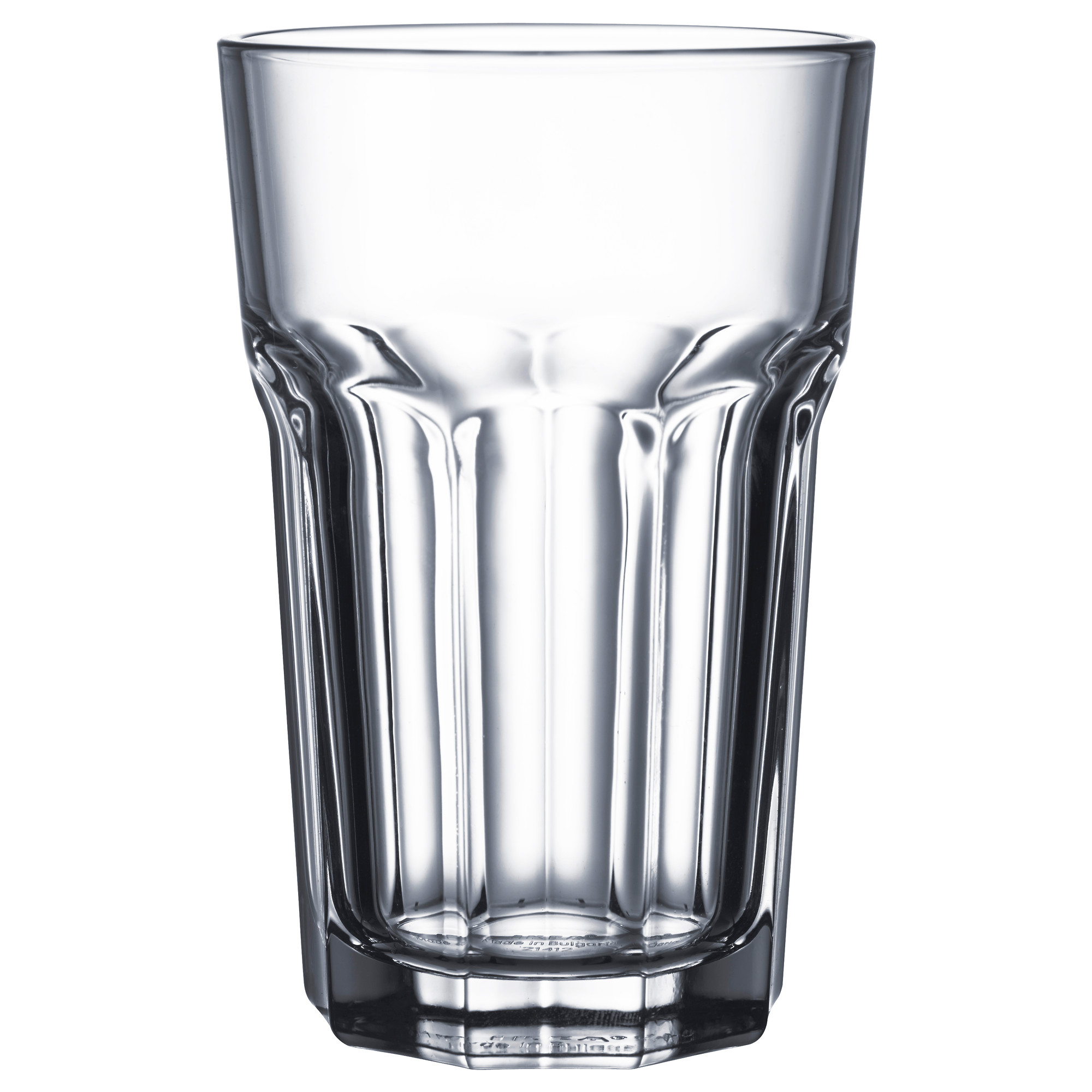
Your glass propagation vase should be clean and clear, allowing you to monitor the water level and root development. Look for containers with a wide opening for easy access and maintenance.
2. Ensure Proper Light
Place your propagation vase in a location where it will receive indirect sunlight. Direct sunlight can lead to overheating and algae growth, while too little light can slow down the rooting process.
3. Change the Water Regularly
To prevent bacterial growth, change the water every week. This helps keep the cuttings healthy and promotes faster root development. Use distilled or filtered water for the best results.
4. Monitor Temperature and Humidity
Most plants prefer a warm and humid environment. If your home is dry, consider using a humidity tray or misting the leaves occasionally to maintain humidity levels.
Case Study: Success Stories in Propagation
To further illustrate the effectiveness of choosing the right plants for propagation, let’s look at a couple of success stories:
Case Study 1: Urban Gardening Enthusiast

A resident in an urban apartment decided to use propagation vases to enhance her small living space. By selecting pothos and spider plants, she was able to create a lush green environment. She found that both plants thrived in her well-lit kitchen window, and within weeks, she was able to transfer several thriving cuttings to pots, effectively expanding her indoor garden.
Case Study 2: Culinary Herb Garden
A chef started propagating herbs like basil and mint in glass vases on her kitchen counter. Not only did this provide her with fresh ingredients, but it also added visual appeal to her cooking space. The chef reported that the fresh herbs improved her cooking, and her guests loved the aesthetic charm of the propagation vases.
Choosing the right plants for your glass propagation vase can significantly impact your success in creating new plants from cuttings. By understanding the basics of plant propagation, considering factors such as growth habits and light requirements, and selecting popular candidates like pothos and basil, you can create a thriving propagation station in your home.
Additionally, by providing the right environment—clean containers, adequate light, and regular water changes—you can ensure that your cuttings root successfully and flourish. Whether you’re enhancing your living space or cultivating fresh herbs, propagation vases offer a rewarding and visually appealing way to engage with nature. Start your propagation journey today and enjoy the satisfaction of watching new plants grow!