Choosing the right fabric for your plush modular sectional can be a daunting task. With a plethora of materials available in the market, each offering unique benefits and drawbacks, it is essential to understand the characteristics of different fabrics to make an informed decision. This article provides a comprehensive comparison of various fabrics, helping you determine which material is best suited for your needs and lifestyle.
Understanding Fabric Types
Before diving into the comparison, it’s important to understand the various fabric types used in upholstery. Fabrics can generally be categorized into two main types: natural and synthetic. Each category has its own set of advantages and disadvantages.
Natural Fabrics
- Cotton: A soft, breathable fabric that is easy to clean but susceptible to stains.
- Linen: Known for its durability and elegant appearance, linen is also prone to wrinkling.
- Wool: Offers warmth and resilience, but can be more expensive and requires special care.
- Silk: Luxurious and soft, silk is beautiful but less durable in high-traffic areas.
Synthetic Fabrics
- Polyester: Highly durable and stain-resistant, making it a popular choice for families.
- Nylon: Known for its strength and resistance to wear, but can be prone to static.
- Acrylic: Mimics wool and is lightweight, but offers less durability compared to other synthetics.
- Microfiber: Soft and easy to clean, microfiber is an ideal choice for pet owners.
Factors to Consider When Choosing Fabric
When selecting the right fabric for your modular sectional, several factors should be considered to ensure you make the best choice for your home.
Durability

Durability is a critical factor, especially for families with children or pets. Fabrics like polyester and microfiber are known for their strength and ability to withstand wear and tear.
Maintenance
Some fabrics require more maintenance than others. For example, cotton and linen may need frequent cleaning, while synthetic fabrics like polyester and microfiber are typically easier to maintain.
Comfort

Comfort is paramount when it comes to upholstery. Natural fibers like wool and cotton provide a soft, cozy feel, while synthetic options like microfiber can also offer significant comfort.
Style and Aesthetics
The fabric you choose can significantly affect the overall look of your sectional. Consider color, texture, and pattern to ensure that the fabric complements your existing decor.
Comparing Popular Fabric Options
Now that we understand the fabric types and factors to consider, let’s compare some of the most popular fabric choices for plush modular sectionals.
Cotton vs. Polyester
Cotton is a popular choice for its softness and breathability, making it comfortable for lounging. However, it can be prone to stains and might require regular cleaning. On the other hand, polyester is incredibly durable and stain-resistant, making it a better option for high-traffic areas. According to a study by the Furniture Today, polyester has a higher abrasion resistance than cotton, making it ideal for families.
Linen vs. Microfiber

Linen offers a luxurious appearance and is highly durable, but it wrinkles easily and requires more maintenance. Microfiber, in contrast, is known for its stain resistance and ease of cleaning, making it a practical choice for households with children or pets. In a survey conducted by the Apartment Therapy, 68% of homeowners preferred microfiber for its combination of comfort and durability.
Wool vs. Acrylic
Wool is a natural fabric that provides warmth and resilience, but it can be more expensive. Acrylic, on the other hand, is a budget-friendly alternative that mimics wool but may not be as durable. According to the Balance, acrylic is often used in outdoor furniture due to its resistance to fading and weathering.
Case Studies: Real-Life Applications
To further illustrate the differences between fabrics, let’s look at a few case studies of families who selected different materials for their plush modular sectionals.
Case Study 1: The Family with Young Children

The Smith family opted for a microfiber sectional due to its stain-resistant properties. After a year of use, they report that the sectional has held up well against spills and messes, making it an ideal choice for their active household.
Case Study 2: The Pet Owners
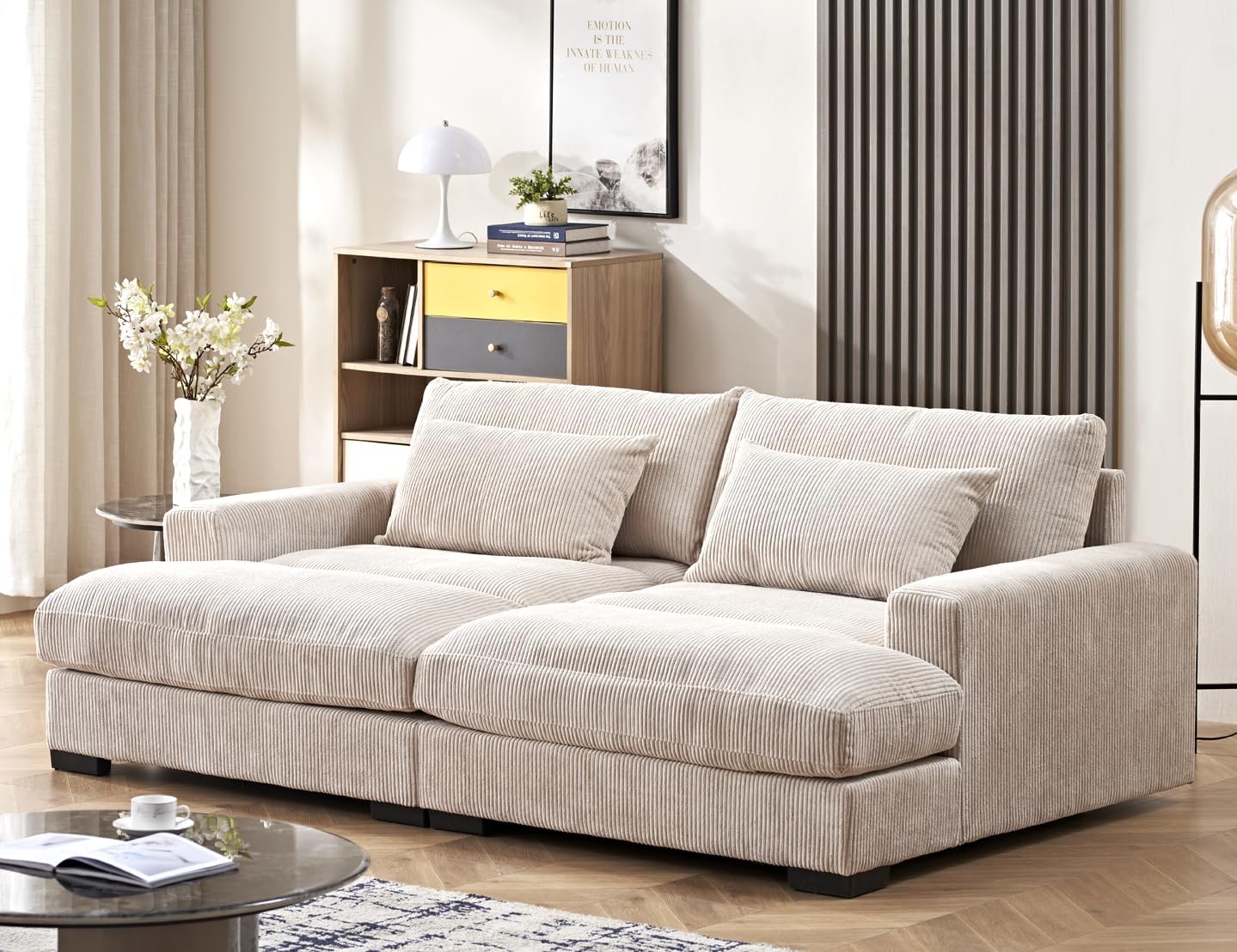
The Johnsons, who have two large dogs, chose a polyester fabric for their modular sectional. They appreciate the durability and ease of cleaning, noting that hair does not cling to the fabric. Their sectional has maintained its appearance and comfort even after significant wear.
Case Study 3: The Stylish Minimalists
The Lees selected a linen sectional for its elegant look and natural feel. While they love the aesthetic appeal, they find that it requires more maintenance, especially in terms of cleaning and care. However, they feel the trade-off is worth it for the overall style.
Making the Right Choice for Your Home

Choosing the right fabric for your plush modular sectional is a decision that involves evaluating a variety of factors including durability, maintenance, comfort, and style. Natural fabrics like cotton, linen, and wool offer a soft, luxurious feel but may require more upkeep. Synthetic fabrics such as polyester and microfiber are highly durable and easier to clean, making them ideal for families and pet owners.
Ultimately, the best fabric for your sectional will depend on your specific lifestyle and preferences. By considering the insights provided in this article, you can make an informed decision that will enhance both the functionality and aesthetics of your living space.
Whether you prioritize comfort, durability, or style, understanding the nuances of each fabric type will help you select the perfect material for your plush modular sectional. Take the time to weigh your options, and you’ll be rewarded with a beautiful and functional piece of furniture that meets your needs for years to come.