Maintaining your vehicle’s engine health is crucial for its longevity and performance. One of the critical components of this maintenance is choosing the right engine oil. Among the various options available, 0W-20 full synthetic oil has gained popularity due to its numerous benefits. This article explores when to use 0W-20 full synthetic oil, its advantages, and essential maintenance tips for car owners.
Understanding 0W-20 Full Synthetic Oil

Before delving into when to use 0W-20 full synthetic oil, it’s essential to understand what it is and how it differs from conventional oils. The “0W” in 0W-20 stands for the oil’s viscosity rating at low temperatures, while “20” indicates its viscosity at high temperatures. This means that it flows well in cold conditions and provides adequate protection at higher temperatures.
The Benefits of Full Synthetic Oil

Full synthetic oils are engineered from chemical compounds, offering numerous advantages over conventional oils:
- Enhanced Performance: Full synthetic oils provide superior lubrication, which can lead to improved engine performance and efficiency.
- Better Temperature Tolerance: They perform well in a wide temperature range, preventing engine wear during extreme weather conditions.
- Increased Fuel Efficiency: The lower viscosity of synthetic oils can help reduce engine drag, leading to better fuel economy.
- Longer Oil Change Intervals: Synthetic oils typically last longer than conventional oils, which means fewer oil changes and reduced maintenance costs.
When to Use 0W-20 Full Synthetic Oil
Choosing the right oil for your vehicle depends on several factors, including engine type, driving conditions, and manufacturer recommendations. Here are some scenarios where 0W-20 full synthetic oil is the ideal choice:
1. Manufacturer Recommendations
Always consult your vehicle’s owner’s manual. Many modern vehicles, especially those with smaller engines or hybrid models, recommend 0W-20 full synthetic oil. For example:
- Toyota: Many Toyota models, including the Camry and RAV4, recommend 0W-20 oil for optimal performance.
- Honda: The Honda Accord and Civic also suggest 0W-20 for improved fuel efficiency.
- Ford: The Ford Fusion and Escape hybrids are designed to operate efficiently with 0W-20 oil.
Following the manufacturer’s guidelines ensures that your engine operates within the intended parameters, providing maximum efficiency and longevity.
2. Climatic Considerations

If you live in an area with extreme temperatures, 0W-20 full synthetic oil is beneficial due to its excellent cold start properties. In cold weather, the “0W” rating allows the oil to flow easily, ensuring that your engine is adequately lubricated from the moment you start it. Conversely, in hot weather, the “20” rating protects the engine by maintaining viscosity and preventing breakdown.
3. Driving Conditions
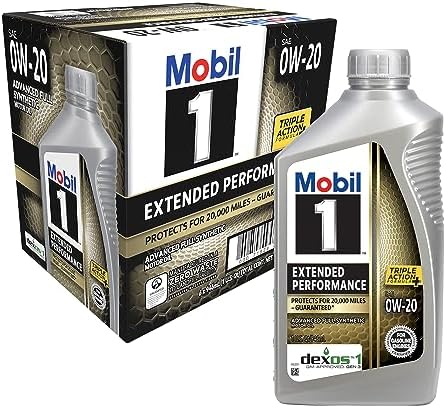
Frequent short trips, stop-and-go traffic, or towing can put additional stress on your engine. Under these conditions, a full synthetic oil like 0W-20 can provide better protection due to its superior film strength and resistance to thermal breakdown. It helps maintain engine performance and minimizes wear, especially during cold starts and high-stress driving situations.
Essential Maintenance Tips for Car Owners

Using 0W-20 full synthetic oil is just one aspect of maintaining your vehicle. Here are some maintenance tips to ensure your engine stays in top condition:
1. Regular Oil Changes
Even though 0W-20 full synthetic oil lasts longer than conventional oils, it’s crucial to adhere to a regular oil change schedule. Most manufacturers recommend changing synthetic oil every 5,000 to 7,500 miles, but always refer to your owner’s manual for specific guidelines.
2. Check Oil Levels Frequently
Regularly check your oil levels, especially if you notice any changes in engine performance. Low oil levels can lead to increased friction and wear. To check your oil:
- Park your car on level ground.
- Wait for the engine to cool down.
- Pull out the dipstick, wipe it clean, reinsert it, and then pull it out again to check the level.
3. Use Quality Oil Filters

Always use high-quality oil filters when changing your oil. A good filter helps trap contaminants and ensures that clean oil circulates through your engine. Some trusted brands include:
- Bosch
- Mobil 1
- K&N
4. Monitor Engine Performance
Be attentive to any changes in engine performance, such as unusual noises, decreased fuel efficiency, or warning lights. Early detection of issues can prevent more severe problems and costly repairs.
5. Store Oil Properly
If you buy oil in bulk, store it in a cool, dry place away from direct sunlight. Proper storage ensures that the oil maintains its properties and remains effective for longer periods.
Real-World Case Studies
Several case studies highlight the effectiveness of using 0W-20 full synthetic oil. For instance, a fleet of delivery trucks switched to 0W-20 oil, resulting in:
- A 15% improvement in fuel economy.
- Reduction in engine wear, leading to fewer breakdowns and repairs.
- Extended oil change intervals, saving time and maintenance costs.
In another example, a Honda Accord owner reported better cold start performance during winter months after switching to 0W-20 full synthetic oil, leading to smoother engine operation and improved fuel efficiency.
Choosing the right oil is a significant part of vehicle maintenance, and 0W-20 full synthetic oil is an excellent choice for many modern engines. Its benefits, such as enhanced performance, better temperature tolerance, and increased fuel efficiency, make it a preferred option for car owners. By following the maintenance tips outlined in this article, such as regular oil changes, proper oil level checks, and using quality filters, you can ensure that your engine remains healthy and performs optimally.
In summary, always reference your owner’s manual for specific recommendations regarding oil type and change intervals. The right oil combined with proper maintenance not only extends the life of your vehicle but also enhances its performance and fuel economy.